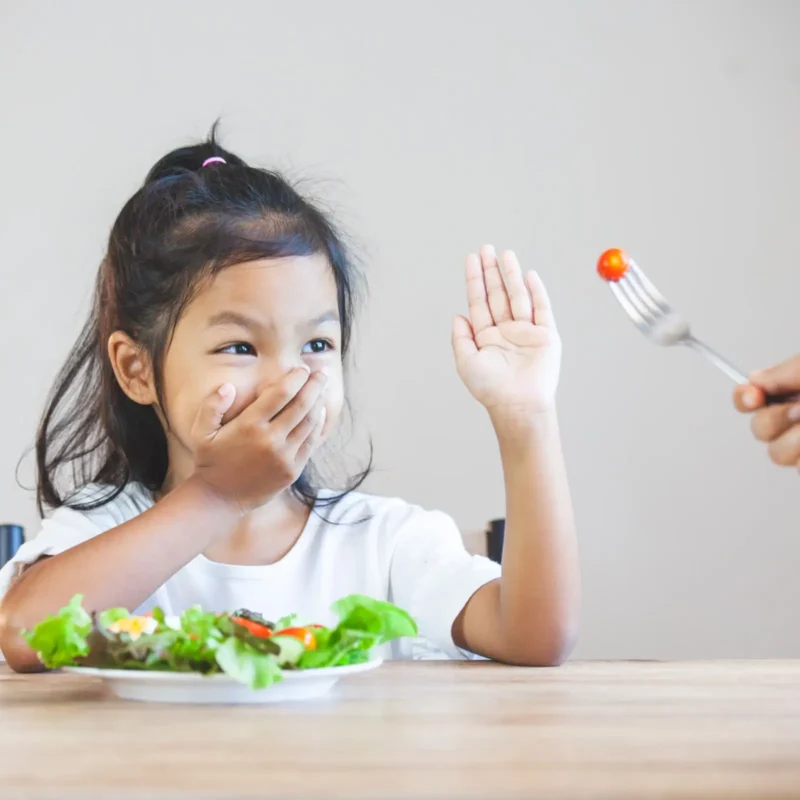
Why force-feeding backfires and how to encourage self-feeding habits in toddlers.
Are you one of those lucky parents whose child comes running when it’s mealtime? Or are you among the majority who have to chase their toddler around the house with a bowl of food?
Refusal to eat is one of the most common complaints from parents. But often, the root cause lies in our feeding methods, not the child’s appetite.
The Hunger Factor We often feed our children by the clock, not by their hunger cues. We offer food before they even realize they need it. But as the saying goes, “There is no interest in what is easily obtained without asking.” Tip: Let your child feel hungry. Hunger is the best sauce, and it teaches them to value food.
The Power of Family Meals Children learn by mimicking. Instead of feeding them in isolation, bring them to the family dining table. Give them a high chair next to you. Put a small amount of rice or finger food in a bowl and let them explore.
Embrace the Mess Many parents avoid self-feeding because they fear the mess. Yes, they will spill food. Yes, the floor will get dirty. But this messy process is crucial. It helps them develop motor skills and, more importantly, the habit of independent eating. By the age of two, you will thank yourself when you see them eating on their own.
Know When to Stop The biggest mistake we make is force-feeding. When a child turns their head away or refuses to open their mouth, stop immediately. Do not force the remaining food just to empty the bowl. Respect their satiety cues. You can always try again after an hour.
Conclusion Feeding shouldn’t be a war. It should be a nurturing experience. Trust your child’s body, let them make a mess, and watch them grow into independent eaters.
